

The Challenge of UV Radiation for Artificial Grass
Artificial grass, a popular choice for outdoor landscapes, faces the challenge of UV radiation damage from sunlight. The vulnerability of outdoor artificial grass to UVA and UVB rays necessitates a robust defense mechanism to maintain its appearance and integrity.
UV radiation levels fluctuate based on time, location, and atmospheric conditions. Regions with intense sun exposure, such as equatorial zones and high-altitude areas, pose a greater risk to the durability of artificial grass. This variability underscores the importance of UV resistance in artificial grass products.
The Importance of Rigorous Testing
AVG’s artificial grass is crafted from 100% pure, high-quality materials and fortified with superior UV inhibitors. This combination ensures the grass maintains its vibrant color and structural integrity, even under prolonged UV exposure.
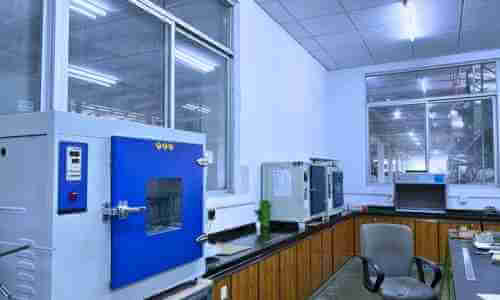
The test results from Intertek validate AVG’s commitment to UV resistance. The rigorous testing process, including exposure to UVA and UVB rays for 500 and 1000 hours respectively, confirms the turf’s exceptional durability.
Impressive Test Results
The methodology involved a combination of ISO 4892-2:2013 and ISO 105-A02:1993, with specific client requirements. The test conditions simulated real-world sun exposure, ensuring the results’ relevance to actual product performance.
The test results indicate that all samples of AVG Artificial Grass exhibited excellent UV resistance, meeting the client’s requirement of Grey Scale ≥ 4. After 1000 hours of exposure, most samples showed no obvious change, and the appearance remained consistent with only minimal color variation in one sample (Sample 6).

Ideal for Extreme Climates
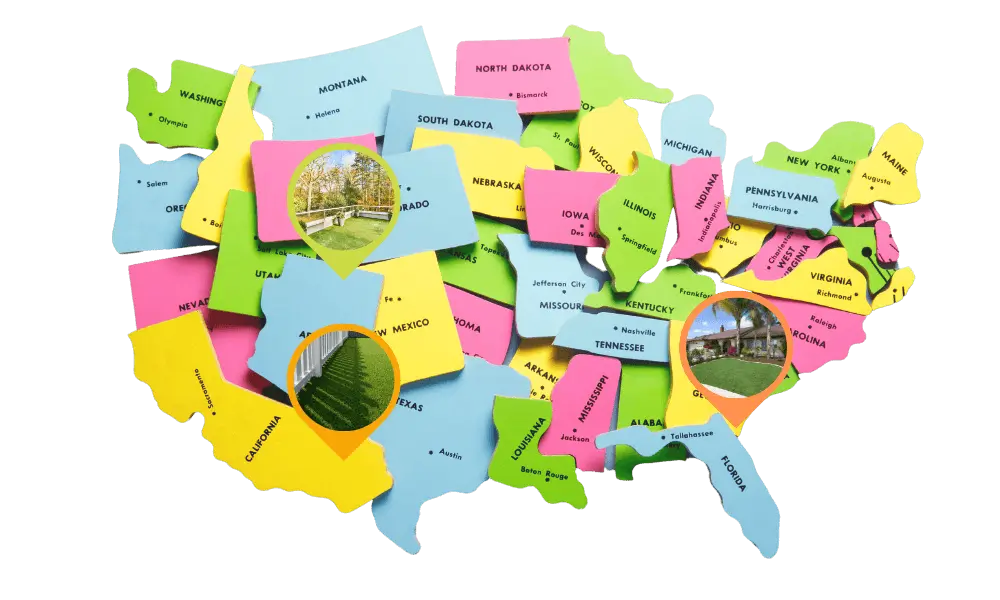
UV-resistant artificial grass is particularly beneficial in regions with intense sunlight, such as Arizona and California. AVG’s turf offers a lush, green alternative to natural grass, even in the harshest conditions.