

Understanding the Importance of Recyclable Artificial Grass
As the world tackles the urgent issues of global warming and plastic pollution, the artificial grass sector is undergoing a profound change. Each year, more than 300 million square meters of artificial turf are used, leading to a significant environmental problem when it comes to disposal. Conventional artificial grass adds to the plastic waste predicament since less than 10% of it gets recycled. This unsustainable approach demands creative remedies, and recyclable artificial grass is setting the example.
Recyclable artificial grass utilizes biopolymers and post-consumer recycled materials, making it 100% recyclable. This reduces landfill waste, supports a circular economy, and offers eco-friendly landscapes for homeowners and urban planners.
However, despite progress in recyclable artificial grass, challenges like limited recycling capacity and regulations persist. Yet, successful projects show its potential to transform urban spaces. By adopting these eco-friendly practices, we can lower our carbon footprint and create a greener future.
Artificial grass is popular for its low upkeep and looks, but it raises environmental concerns. Traditional synthetic turf adds to plastic waste because it is made of non-biodegradable materials. With over 300 million square meters used yearly, disposal is a big issue. Only about 10% of old turf gets recycled, mostly from sports fields. The rest ends up in landfills, worsening plastic pollution.
The Environmental Impact of Non-Recyclable Artificial Grass
Artificial grass has become increasingly popular due to its low maintenance and aesthetic appeal. However, its environmental impact is concerning. Traditional artificial grass contributes significantly to plastic waste because it is primarily made from non-biodegradable materials. Moreover, with over 300 million square meters used annually, the disposal of this turf poses a major environmental challenge. Unfortunately, only about 10% of end-of-life artificial turf is recycled, mostly from sports fields, leaving the rest to contribute to landfill waste and exacerbating the plastic pollution crisis.
Innovations in Recyclable Artificial Grass Technology
Innovations in recyclable artificial grass technology are transforming the industry by addressing environmental concerns and promoting sustainability. With the increasing demand for artificial turf in sports, residential, and commercial applications, the need for eco-friendly solutions has become more urgent. Here are several key innovations driving this change:
1.Biopolymers and Post-Consumer Recycled Materials
Using biopolymers and post-consumer recycled materials in artificial grass production is a major advancement. Biopolymers, made from renewable sources, mimic traditional plastics without the environmental downsides. This allows for 100% recyclable artificial grass, reducing the need for fossil fuels and lowering carbon emissions. Additionally, using PCR materials reintroduces waste into the production cycle, promoting a circular economy and enhancing sustainability.
2.Advanced Backing Systems
Innovative backing systems are crucial for making artificial grass fully recyclable. Companies like AVG have developed new ECO backing technologies using environment-friendly adhesives that allow the entire product to be recycled at the end of its life. This innovation not only reduces landfill waste but also ensures that the turf maintains its performance standards throughout its lifespan.

3.Energy-Efficient Production Processes
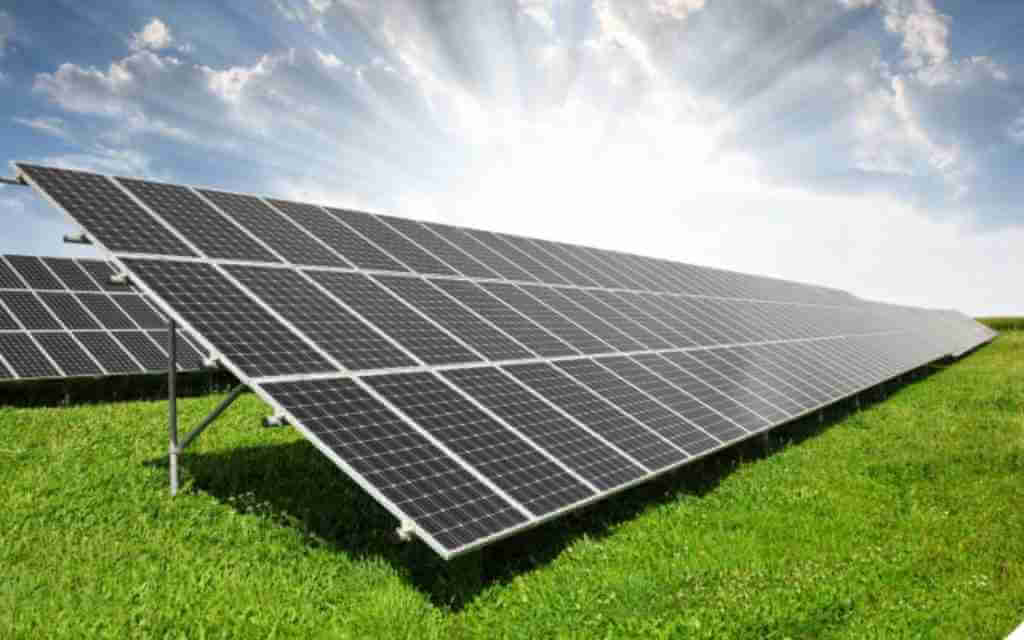
Sustainable manufacturing processes are crucial in decreasing the environmental impact of producing artificial grass. Energy audits help manufacturers pinpoint areas where energy can be conserved, reducing the need for fossil fuels. For example, AVG has integrated solar energy solutions into their production facilities, cutting electricity consumption by up to 30%. Also, water recycling systems in yarn production further boost sustainability by purifying and reusing water, reducing waste.
4.Bioplastics and Circular Economy
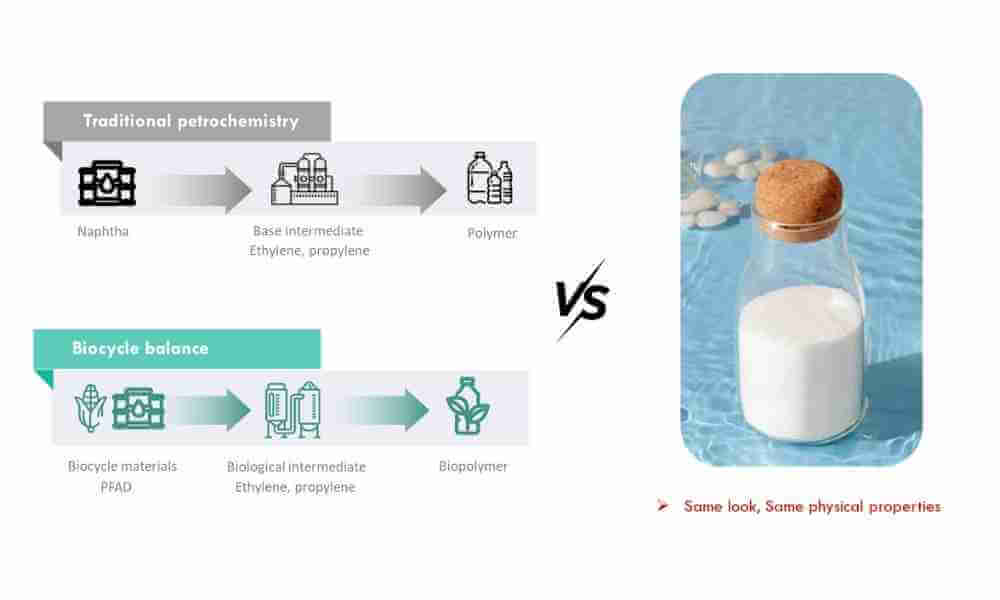
Bioplastics play a vital role in creating sustainable artificial grass products. These materials reduce CO2 emissions by 200% to 300% compared to traditional petrochemical processes. Bioplastics contribute to a circular economy by offering new recycling or degradation pathways and reducing the use of toxic reagents during production. This innovation is particularly beneficial for premium turf systems with natural infill, providing an eco-friendly alternative without compromising quality.
5.Recognition and Certification
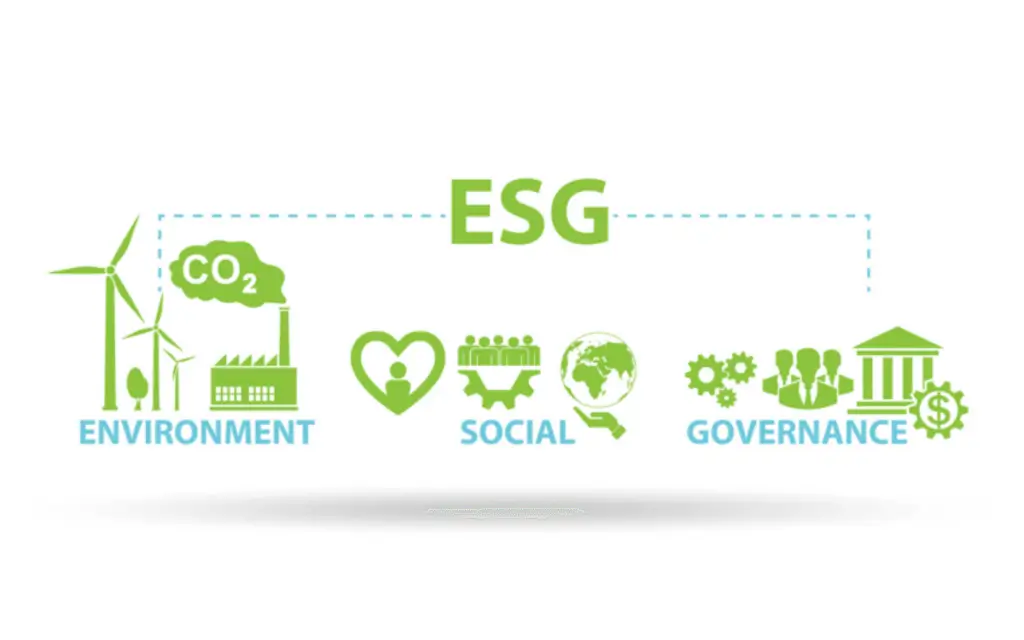
AVG’s commitment to sustainability has been recognized through certifications like the SYNESGY Certificate with an ESG Score of B – Good. This certification reflects AVG’s adherence to environmental, social, and governance (ESG) principles, ensuring traceability and verification throughout the production process. Products made with a minimum of 20% recycled materials can achieve Global Recycle Standard (GRS) certification, further enhancing consumer confidence in sustainable products.

The Lifecycle of Recyclable Artificial Grass
The lifecycle of recyclable artificial grass involves several key stages. Firstly, sustainable materials such as biopolymers are used during production to create turf that can be fully recycled at the end of its life. Once installed, it not only provides the same benefits as traditional turf but also offers added environmental advantages. After its useful life, the turf can be collected and processed for recycling, ultimately turning it back into raw materials for new products.
Benefits of Choosing Recyclable Artificial Grass for Homeowners
Choosing recyclable artificial grass offers numerous benefits for homeowners, aligning with both environmental and personal values. As awareness of sustainability grows, many are seeking ways to reduce their ecological footprint, and opting for recyclable artificial turf is a significant step in that direction.
1.Environmental Benefits
Recyclable artificial grass significantly decreases plastic waste. This is a critical environmental concern. Traditional artificial turf adds to the plastic pollution issue. It is usually made from non-biodegradable materials that fill up landfills. By selecting recyclable choices, homeowners can help alleviate this problem. Recyclable turf involves biopolymers and post-consumer recycled materials, making it completely recyclable. This not only reduces waste but also promotes a circular economy where materials are reused instead of thrown away.
2.Economic Advantages
The upfront cost of recyclable artificial grass may be higher, but it provides long-term economic advantages. This grass is durable, requiring less frequent replacement and lowering maintenance costs over time. Additionally, the turf can be recycled into new products, reducing disposal expenses. Homeowners may also qualify for government incentives or rebates when using eco-friendly products, helping to offset initial costs.
3.Performance and Aesthetic Appeal
Recyclable artificial grass looks like traditional turf but doesn’t need watering or mowing. It stays lush year-round and is durable in all weather conditions, making it ideal for residential lawns and playgrounds.
4.Health and Safety Considerations
Recyclable artificial grass is often made with safer materials that do not contain harmful chemicals like PFAS, which are sometimes found in traditional turf products. These “forever chemicals” have been linked to health concerns, so choosing products without them can contribute to a healthier living environment for families and pets. Furthermore, the absence of microplastics in recyclable turf helps protect local ecosystems from contamination.
5.Contribution to Sustainability Goals
For homeowners committed to sustainability, choosing recyclable artificial grass fits well with broader environmental goals. It helps reduce carbon emissions by using renewable resources and energy-efficient production methods. Also, companies like AVG have adopted solar energy solutions in their manufacturing processes, which further cuts down their carbon footprint. By choosing these products, homeowners contribute to global efforts to fight climate change and promote sustainable living practices. In short, choosing recyclable artificial grass offers many benefits for homeowners who want to make environmentally conscious decisions without giving up quality or aesthetics. Ultimately, it provides a practical and impactful way to support sustainability while enjoying the perks of modern landscaping solutions.
Challenges in Recycling Artificial Grass: Solutions and Strategies
Recycling artificial grass offers several benefits, but it also presents challenges. First, limited recycling capacity and regulatory hurdles can slow down widespread adoption. However, solutions are being developed to overcome these obstacles. For example, increasing recycling infrastructure and implementing regulations that encourage sustainable practices are key strategies. Additionally, companies are exploring innovative recycling methods to improve efficiency and reduce costs. Addressing these challenges is essential for maximizing the environmental benefits of recyclable artificial grass.
Case Studies: Successful Implementation of Recyclable Artificial Grass
Domo Sports Grass has embraced the United Nations Sustainable Development Goals (SDGs) as part of its corporate social responsibility strategy. By aligning with these goals, Domo is committed to reducing carbon emissions, promoting eco-friendly products, and transitioning towards a circular economy. Their efforts include developing sustainable artificial grass systems that meet regulatory standards and enhance the environmental performance of sports facilities. This commitment not only improves public perception but also attracts more members, investors, and sponsors who prioritize sustainability.
The Role of Biopolymers in Recyclable Artificial Grass
Biopolymers play a crucial role in making artificial grass recyclable. To start, these materials come from renewable resources and offer similar properties to traditional plastics without the environmental drawbacks. In artificial grass production, biopolymers replace conventional plastics, which enables the turf to be fully recycled at the end of its life. This shift not only reduces reliance on fossil fuels but also supports a circular economy by facilitating material reuse.
Economic Impacts of Transitioning to Recyclable Artificial Grass
Transitioning to recyclable artificial grass has economic implications for both manufacturers and consumers. Initially, upfront costs may be higher due to advanced materials and technologies. However, long-term savings are realized through reduced maintenance and disposal expenses. For manufacturers, investing in sustainable production processes can enhance brand reputation and meet increasing consumer demand for eco-friendly products. Overall, this transition supports economic sustainability by aligning with market trends toward greener solutions.
Future Prospects for Recyclable Artificial Grass in Urban Planning
The future prospects of recyclable artificial grass in urban planning are promising. Cities are striving to become more sustainable, integrating eco-friendly landscaping solutions like recyclable turf can significantly reduce urban heat islands. By incorporating these products into urban infrastructure plans, cities can promote biodiversity, enhance green spaces, improve air quality, and provide recreational areas that support both human health and environmental well-being.

In sum, the transition to recyclable artificial turf signifies a significant progress in sustainable landscaping practices. As emphasized in this discussion, the environmental gains from using recyclable turf are considerable, especially in cutting down on plastic waste and promoting a circular economy. Technological advances, such as incorporating biopolymers and recycled materials from consumers, have enabled the creation of 100% recyclable artificial grass that meets aesthetic and performance standards. These developments not only aid in environmental conservation but also provide economic benefits by decreasing long-term maintenance and disposal expenses.
Additionally, companies such as AVG demonstrate a strong commitment to sustainability by employing energy-efficient manufacturing processes and adhering to regulations. This showcases the industry’s dedication to eco-friendly solutions. Opting for recyclable artificial grass allows homeowners and urban planners to play a proactive role in global initiatives aimed at combating climate change and cutting down on carbon emissions. This shift within the artificial grass sector not only enhances the quality of green spaces, but also supports broader sustainability objectives, opening the door to a more environmentally friendly future for our communities and the planet.
